Preventing and Reversing UV Yellowing on Vintage ABS Keycaps
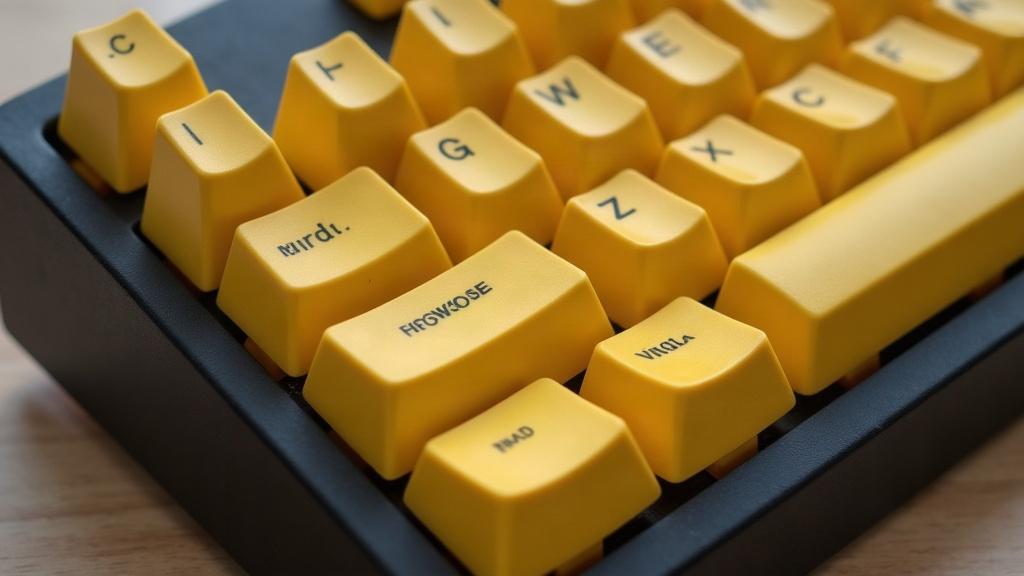
If your vintage ABS keycaps have gone a sickly beige or amber after a summer parked near a sunny window, you’re not imagining things, and it’s not dirt. That’s a well-documented chemical reaction. Here’s why UV yellowing happens, how to stop it before it starts, and the methods that actually work to reverse it on keyboards and keycap sets you already own.
Why ABS Keycaps Turn Yellow in the Sun
Acrylonitrile Butadiene Styrene (ABS) plastic contains brominated flame retardants, a holdover requirement from older electronics safety standards. Expose that plastic to UV radiation and oxygen, and those compounds start breaking down and migrating to the surface. The result: visible yellow or amber discoloration. Chemists call this oxidative degradation, and here’s the catch, it’s irreversible at the molecular level unless you step in and treat it directly.
A few things speed the process along:
- Direct sunlight through windows — glass blocks less UV than most people assume
- Heat buildup inside cases or display cabinets
- Light-colored keycaps (white, beige, light gray) show yellowing faster and more obviously than dark ones
- Age — boards from the 1980s through the 2000s were made with higher levels of brominated retardants than modern ABS
PBT plastic barely yellows at all, by comparison. That’s exactly why so many collectors hunt down PBT keycap sets for pieces that’ll sit on display in a bright room.
Prevention: Stop Yellowing Before It Starts
The cheapest fix, hands down, is never letting the problem start.
1. Control Light Exposure
- Keep vintage keyboards out of direct sun, even through glass
- Apply UV-filtering window film if the keyboard has to live near a window
- Store display pieces in opaque cases, or just rotate them out of the sun during peak hours
2. Manage Temperature and Humidity
- Skip the attic, garage, or car trunk in summer. Heat accelerates the chemical reaction fast
- Aim for a stable room temperature (65-75°F) and moderate humidity (40-50%)
3. Clean Before Storage
Dust and skin oils trap moisture against the plastic surface, and that creates uneven micro-environments that lead to patchy, blotchy yellowing down the line. Wipe keycaps down with isopropyl alcohol (90%+) before putting them away for the long haul.
Reversing Yellowing: The Retrobright Method
“Retrobright” is what the keyboard community calls the process of using hydrogen peroxide and UV light to break down surface bromine compounds and reverse yellowing. It’s been refined over years of forum trial and error. Here’s the standard approach:
What You’ll Need
- 12% hydrogen peroxide (cosmetic-grade, easy to find online) or 40-volume creme developer
- Plastic wrap or a sealed container
- A UV light source, sunlight works fine, or a dedicated UV lamp
- Gloves and eye protection
Steps
- Pull the keycaps off the board and clean them thoroughly with alcohol first
- Coat them with hydrogen peroxide gel, or submerge the whole batch in liquid peroxide inside a clear container
- Set them in UV light for 4-8 hours of direct sun, checking in roughly every hour
- Rotate as you go. Uneven exposure is the number one cause of blotchy, patchy results
- Rinse and dry completely once you’re happy with the color
- Re-lubricate the stems if needed, since peroxide can leave the plastic slightly dried out
Important Cautions
- Skip the bleach. It damages ABS structurally and won’t reverse yellowing the way peroxide does
- Work somewhere ventilated. Hydrogen peroxide fumes can irritate your eyes and lungs
- Test one keycap before committing to a full set. Some printed legends, especially two-shot ones, can fade or shift color
- Results vary by plastic batch. Some vintage ABS responds beautifully, other batches barely budge
How Long Does the Fix Last?
Here’s the part nobody likes to hear: retrobrighted keycaps can yellow again after months or years back in UV light. Why? Because the brominated compounds are still sitting inside the plastic. You only bleached the surface layer, not the source of the problem. That’s exactly why prevention still matters even after a successful restoration. Keep those treated keycaps out of direct sunlight going forward, or you’ll be doing this all over again.
Quick Reference Checklist
- ✅ Store vintage keyboards away from windows and direct sun
- ✅ Use UV film or opaque covers for display pieces
- ✅ Clean keycaps regularly to prevent oil-trapped yellowing
- ✅ Use 12% peroxide plus UV exposure to reverse existing yellowing
- ✅ Re-apply prevention steps after restoration so the damage doesn’t repeat
Conclusion
UV yellowing on vintage ABS keycaps follows a predictable chemical process, and that’s actually good news: it means the damage is both preventable and, to a real degree, reversible. Keep light-colored ABS boards out of direct summer sun, store them somewhere stable, and if the yellowing has already set in, a careful round of hydrogen peroxide and UV treatment can bring back most of the original color. The real trick is protecting your keycaps afterward from the exact same UV exposure that caused the problem to begin with.