Repurposing Packaging EVA Foam for Keyboard Sound Dampening
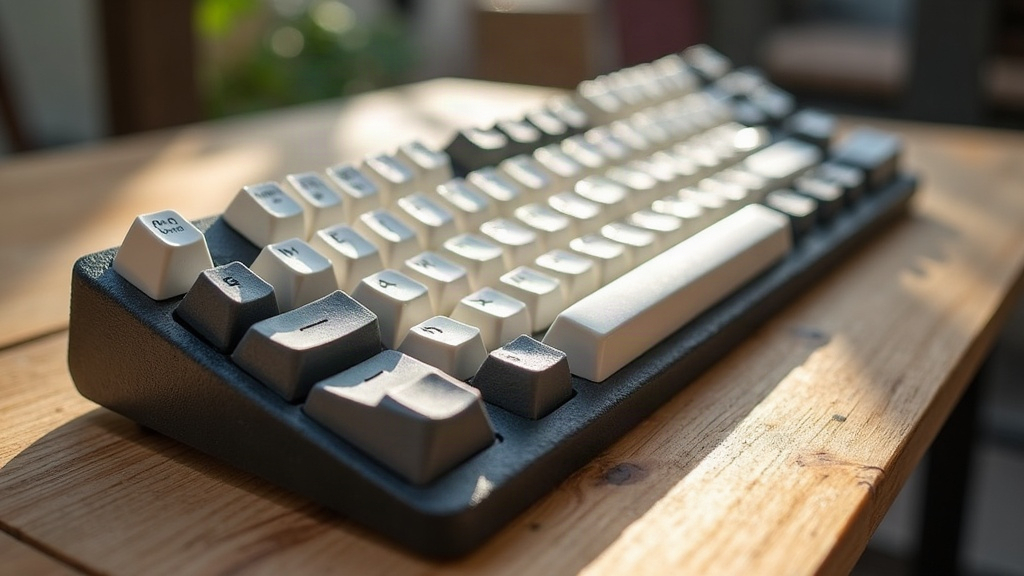
If you’ve ever ordered a keyboard, a phone case, or even a pair of shoes, chances are you tossed out a perfectly usable sheet of EVA foam without thinking twice. That packaging insert sitting in your recycling bin right now is basically the same material as the “case foam” and “PE foam” sheets keyboard enthusiasts shell out $8 to $15 for online. This guide walks you through spotting usable packaging foam and turning it into real acoustic dampening for your mechanical keyboard, at zero cost.
Why Keyboards Need Dampening in the First Place
Most keyboard cases are hollow shells, whether plastic or aluminum. When a switch bottoms out, that stem click bounces around inside the empty cavity and comes out as a tinny, hollow “ping.” It’s most obvious on lower-pitched keys like the spacebar and modifiers. Foam breaks up that resonance in a few ways:
- Absorbing sound waves before they bounce around the case interior
- Adding mass and damping to cut down plate and PCB vibration
- Filling dead air space so there’s less room for echo to build
Commercial fixes include dedicated case foam, tape mods, and PE foam placed under the plate. EVA packaging foam can stand in for nearly all of these, and most people genuinely can’t tell the difference once it’s installed.
What Counts as “Good” Packaging Foam
Not every scrap you find will work. Here’s what to look for:
- Closed-cell EVA foam, dense, a bit rubbery, doesn’t crumble when you squeeze it. You’ll find this in electronics packaging, tool case inserts, and cosmetics boxes.
- 2-5mm thickness, thin enough to slide under a plate or into a case gap without lifting the stabilizers or switches.
- Flat, uncreased sheets. Die-cut packaging inserts (the ones with cutouts shaped for a product) often have decent flat sections you can trim around the holes.
Skip soft polyurethane (PU) foam, the spongy yellow material you see in cheap mattress toppers or egg crate packaging. It compresses permanently within weeks, degrades fast, and doesn’t carry anywhere near the acoustic density of EVA.
A quick gut check: press your thumbnail into the foam. Springs back right away and feels slightly firm? That’s EVA, good to go. Leaves a dent or feels mushy? Toss it.
Where to Find Free EVA Foam
- Electronics packaging (monitors, GPUs, routers often ship with EVA corner protectors)
- Tool organizer inserts from hardware store purchases
- Cosmetic and perfume box inserts
- Camera and lens case liners
- Furniture assembly packaging (IKEA, for one, uses EVA sheets to protect hardware bags)
Start a small bin for these instead of throwing them straight in the recycling. A handful of shipments over a couple of months is usually enough material for several keyboards.
Three Zero-Cost Mods You Can Do
1. Case Foam Layer
Cut a sheet to match the internal floor dimensions of your case, leaving cutouts for standoffs, the USB daughterboard, and screw posts. Easiest method: trace the case bottom onto paper, cut that template out, then transfer the shape onto the foam with scissors or a hobby knife. Drop it in between the PCB and the bottom case.
2. Plate-to-PCB Gap Fill
If your plate is socketed, or there’s a visible gap under the switches, cut thin (1-2mm) EVA strips and lay them along the plate’s non-switch areas. This cuts plate ping noticeably without touching keyfeel at all.
3. Switch Film Substitute
Trickier, but it works: very thin packaging foam (under 0.5mm, the kind often tucked into jewelry boxes) can be hole-punched and used as a rough switch film substitute to quiet housing rattle. It’s nowhere near as refined as dedicated films, but it does noticeably tighten up loose switches.
Tools You Actually Need
- Scissors or a sharp hobby knife
- A cutting mat, or just a scrap of cardboard underneath
- Pencil and paper for templates
- Tweezers for precise placement (optional, but handy for small strips)
You don’t strictly need adhesive. Gravity plus a snug case fit usually keeps the foam exactly where you put it. If you want extra security, a few small dots of removable double-sided tape do the job.
Realistic Expectations
Packaging EVA foam won’t match the finely tuned acoustic properties of dedicated keyboard foams used in premium builds. But for roughly 90% of people chasing a quieter, less hollow sound, it’s practically indistinguishable in real-world use. Where it really shines is on budget keyboards with thin plastic cases, exactly where hollow resonance tends to be worst.
Conclusion
You don’t need to order specialty foam sheets just to make your keyboard sound noticeably better. Packaging EVA foam, free, already sitting around your house, and functionally similar to the paid stuff, can dampen case ping, cut plate resonance, and tighten up switch feel with nothing more than scissors and a paper template. So next time a package shows up at your door, don’t toss that foam insert in the bin. Your keyboard might actually thank you for it.